One purchase, a clear result.
Connect an agreed catalog or price to checkout. Handle the return screen, payment confirmation and order state, including failures.
A payment should end in the right order, booking or account state. I build the flow around your business, in your Stripe account.

The customer confirms the agreed product or plan.
Verify the event. Check whether it was already handled.
Record the order or change access when the payment state allows it.
A success page alone is not the payment record. The server handles confirmation and recovery.
Connect an agreed catalog or price to checkout. Handle the return screen, payment confirmation and order state, including failures.
Define plan changes, renewal, cancellation and payment failure. Keep customer access aligned with the billing state.
Scope connected-account onboarding, payment routing and seller status. Decide who charges whom before building the interface.

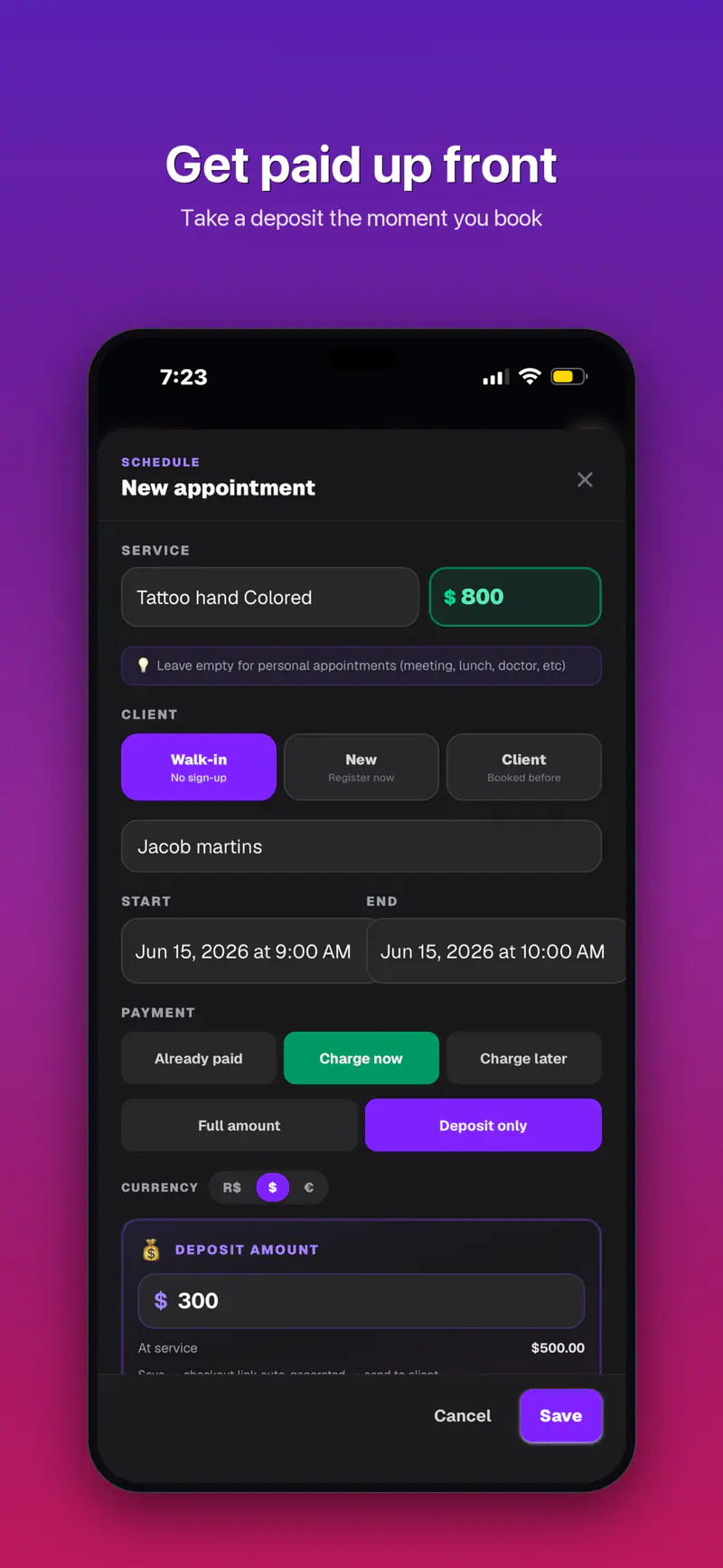
Linkbuk uses Stripe Connect Express for its payment integration.
Explore LinkbukWhat this scope does not promise. I do not decide Stripe account eligibility, approve businesses, set processor fees or replace tax and accounting advice. Account setup and any migration from another provider are checked separately.
Existing-product integration is quoted after reviewing the code and the payment flow.
Prices for complete builds. Processor fees, subscriptions and other third-party costs are separate.
The integration uses your business's Stripe account. You control its ownership, bank details and billing configuration; the project scope defines the access I need to build and test it.
Yes, Checkout and subscriptions can be included in your scope. I define when access starts, how renewal and payment failures affect it, and what cancellation should do before building the flow.
Connect Express is a fit to evaluate when a platform helps other businesses accept payments. A single business taking its own payments usually needs a simpler flow; seller onboarding and money movement need their own scope.
I design webhook handling to recognize an event that was already processed. Signature checks, stored event identifiers and guarded state changes are part of the scope, with repeat deliveries and out-of-order events tested before handoff.
Integration into an existing product needs its own quote. For a new build, a custom store is $5,000 fixed, with features agreed in writing. ERP, complex business rules and portals are web app work, from $12,000. Stripe fees and other service costs are separate.
I test the agreed payment lifecycle in Stripe test mode first. That includes successful and failed payments, repeated webhook delivery, cancellation or refunds where scoped, and the access or order state the customer should see.